
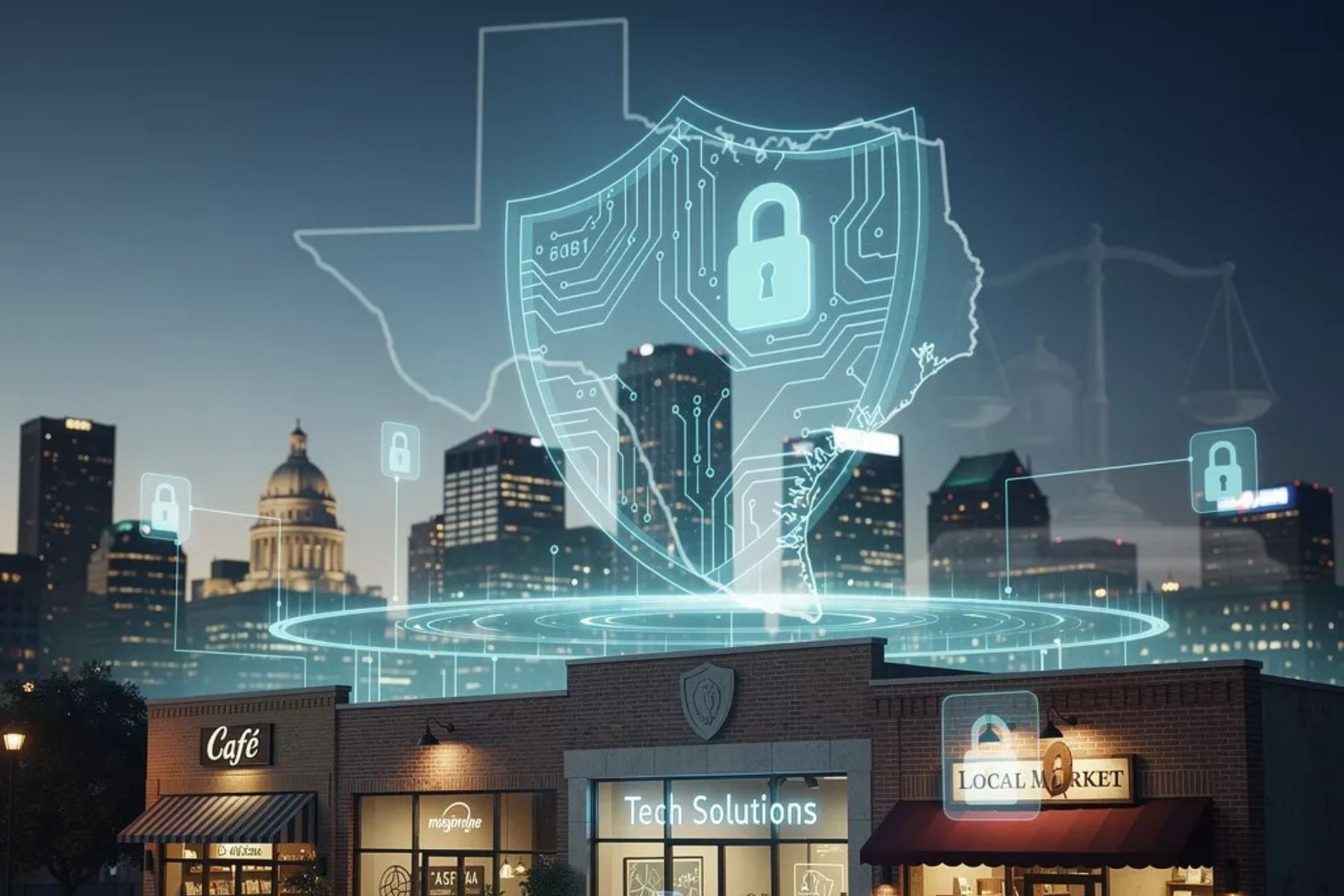
The Critical Impact of Texas’s New Cybersecurity “Safe Harbor” Law (SB2610) on Small and Mid-sized Businesses
The regulatory landscape for cybersecurity in Texas has undergone a fundamental shift with the passing and implementation of Senate Bill 2610 (SB2610). Effective September 2025, this law introduces a concept known as the “safe harbor” defense, a critical development that every executive in the Austin business ecosystem must understand. This legislation is designed to reward diligence: businesses that proactively implement and maintain recognized cybersecurity frameworks can gain a powerful advantage in the event of a data breach lawsuit.
The core problem SB2610 addresses is the punitive nature of civil litigation following a breach. Historically, businesses that suffered a breach, even those that made reasonable attempts at security, often faced devastating lawsuits with the potential for massive punitive damages. This created an unfair burden, especially on Small and Mid-sized Businesses (SMBs) who have fewer resources than Fortune 500 companies.
What Defines a “Safe Harbor” Status?
SB2610 offers legal protection against claims for punitive damages if the SMB can demonstrate adherence to an industry-recognized cybersecurity framework. These frameworks include, but are not limited to:
The NIST Cybersecurity Framework (CSF): Widely regarded as a gold standard for managing cyber risk.
CIS Controls: A prioritized set of actions to defend against the most common attacks.
HIPAA Security Rule: For entities dealing with Protected Health Information (PHI).
For Austin businesses, this means that the effort and capital invested in proactive security—things like rigorous employee training, Multi-Factor Authentication (MFA) deployment, and robust patch management—are now directly quantifiable in legal protection. It transforms cybersecurity from a cost center into a legal risk mitigation strategy.
The Business Imperative
Compliance under SB2610 is not about being perfectly secure—no organization is—but about demonstrating reasonable security practices. By adopting one of these frameworks, a business establishes a recognized standard of care. If a breach still occurs (often through a zero-day exploit or sophisticated social engineering), the business is in a much stronger position to argue against gross negligence and avoid the crippling punitive judgments often sought in data breach class actions.
For SMBs, this shield is critical. A single punitive judgment could easily exceed a company’s total assets, leading to bankruptcy. The Safe Harbor provision levels the playing field, making compliance a mandatory legal requirement for operational survival.
Navigating Your Compliance Roadmap
Achieving and maintaining compliance with frameworks like the NIST CSF requires structured guidance. It involves a systematic audit of your current security posture, gap analysis, policy development, and continuous monitoring to ensure standards are being met over time. Simply having antivirus software is not enough; you must prove due diligence.
The implementation of SB2610 underscores the shift in Texas’s legal environment: cybersecurity is now a matter of regulatory compliance. To ensure your business not only defends against cyber threats but also enjoys the legal protection offered by this new legislation, you need expert guidance to audit your current standing and build a path to compliance. Austin IT Support stands ready as one of the premier resources for IT Security and risk mitigation information across Austin. Take the first step toward securing your future by calling us today at (512) 642-5457.